The Hidden Cost of Dirty Filters
filtrationnow2026-07-10T12:36:11-07:00How a Simple Filter Can Cost You Thousands in Energy Bills and Motor Wear
We have all seen it happen. You are walking through the plant, production is running smoothly, and you notice a “Service Due” notification on your air compressor. You think, “I’ll get to that next week. It’s just a filter.”
That small decision can become an expensive mistake. An air compressor filter may seem like a minor component, but it plays a critical role in protecting your equipment, maintaining efficiency, and controlling operating costs.
At FiltrationNow, we see the impact of neglected filtration systems every day. Delaying a filter replacement does not save money—it can increase energy consumption, accelerate wear, and shorten the lifespan of expensive compressor components.
The Hidden Cost of a Dirty Compressor Filter
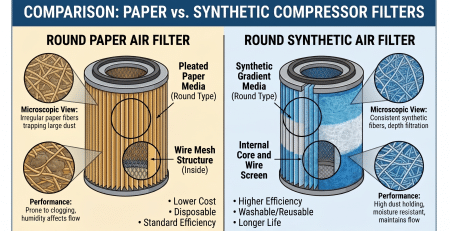
Air compressors operate by pulling in large volumes of surrounding air, compressing it, and delivering it throughout a facility. Because the compressor constantly processes large amounts of air, the intake filter is the first line of defense against dust, dirt, and airborne contaminants.
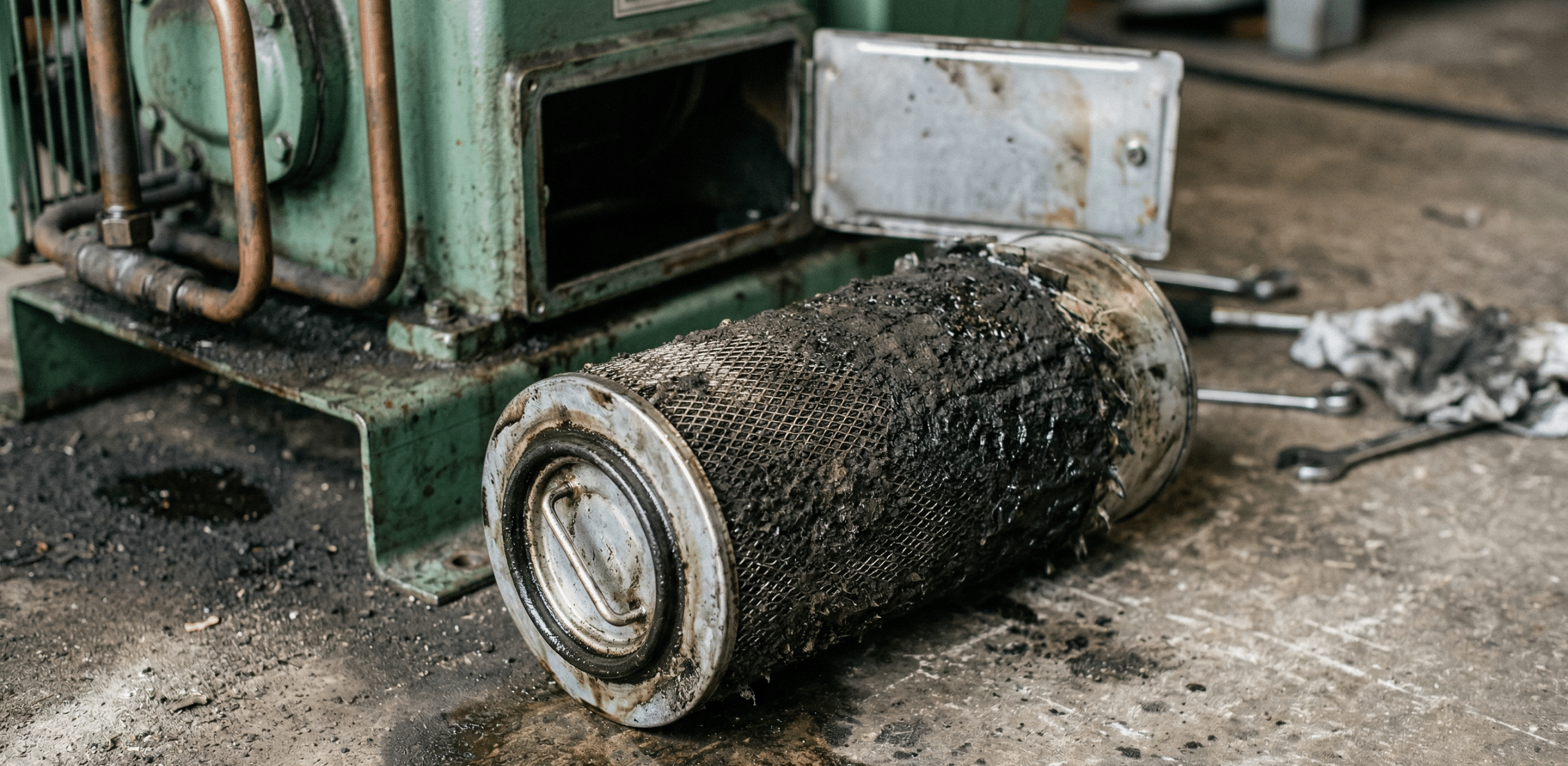
When an intake filter becomes clogged, the compressor must work harder to pull in the same amount of air. This restriction creates additional strain on the system, increases energy consumption, and reduces overall efficiency.
The Energy Cost of Pressure Drop
This restriction is commonly referred to as pressure drop. Even a small increase in restriction can force the compressor motor to consume more power to maintain the required operating pressure.
- The Math: For every increase in pressure drop caused by a restricted filter, energy consumption can increase as the compressor works harder to maintain performance.
- The Reality: In large industrial facilities operating compressors around the clock, small efficiency losses can add up to thousands of dollars in unnecessary electricity costs over time.
The Silent Killer of Compressor Motors
While higher energy costs are frustrating, the mechanical damage caused by restricted airflow can be even more expensive. Reduced airflow causes operating temperatures to rise, placing additional stress on the compressor motor, lubrication system, and internal components.
1. Excessive Heat
Heat is one of the biggest enemies of compressor performance. Elevated temperatures can cause compressor oil to break down prematurely, reducing lubrication effectiveness and increasing wear on bearings, rotors, and other critical components.
2. Motor Stress
When airflow is restricted, the compressor motor must work harder to maintain output. This increased workload can cause higher electrical current draw and additional heat buildup inside the motor windings.
Replacing a large compressor motor is not just a parts expense. It can involve electrical work, specialized equipment, labor costs, and extended production downtime.
3. Contaminant Carryover
A severely clogged or damaged filter can eventually fail, allowing unfiltered contaminants to enter the compressor system. For rotary screw compressors, even small amounts of abrasive debris can cause damage to precision-machined components inside the air end.
Why Regular Filter Replacement Matters
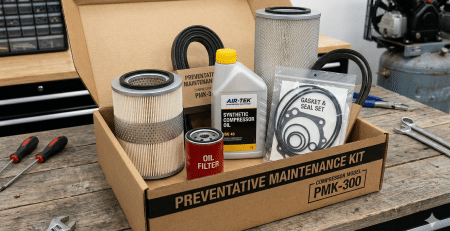
Replacing filters on a scheduled maintenance plan is one of the simplest ways to protect your compressed air system. Proper filtration helps maintain airflow, reduce energy waste, and prevent contamination from reaching sensitive components.
| Expense Item | Preventive Maintenance | Wait Until Failure |
|---|---|---|
| Part Cost | Low, predictable maintenance expense | Higher emergency replacement costs |
| Energy Efficiency | Optimized compressor performance | Increased operating costs from restriction |
| Oil Life | Maintained through proper airflow and temperatures | Reduced due to excessive heat |
| Major Repairs | Reduced risk of unexpected failures | Potential motor or air end repairs |
| Downtime | Scheduled maintenance | Emergency production interruptions |
Do Not Step Over a Dollar to Pick Up a Nickel
An air compressor is often the heart of an industrial operation. Just like changing the oil filter on a vehicle protects the engine, replacing compressor filters protects the equipment responsible for powering your production.
Routine maintenance keeps your total cost of ownership low by improving efficiency, protecting components, and preventing avoidable repairs. A simple filter replacement today can help keep your compressor operating reliably for years to come.
Conclusion: A Small Filter Protects a Major Investment
Air compressor filters may be small compared to the equipment they protect, but their impact on performance and reliability is significant. Ignoring a dirty filter can lead to increased energy costs, higher temperatures, motor stress, and expensive downtime.
A proactive maintenance schedule is one of the easiest ways to improve compressor efficiency and protect your investment.
Need Help Finding the Right Compressor Filter?
FiltrationNow offers a wide selection of industrial filtration solutions designed to help protect air compressors, pneumatic systems, and other critical equipment.