Author - filtrationnow

Filter Guide

Guide to Compressed Air Filtration: OEM vs. Aftermarket

The Ultimate Guide to OEM vs. Aftermarket Filtration: Choosing the Right Replacement Filter

Understanding Filter Options, Cross-References, and Maintenance Savings

Industrial filtration systems play a critical role in protecting equipment, improving process reliability, and maintaining product quality across countless industries. From compressed air and hydraulic systems to lubrication circuits and process applications, filters help remove contaminants that can damage components, reduce efficiency, and increase operating costs.

Like any maintenance component, filters eventually require replacement. When it is time to service a filtration system, maintenance teams often face an important decision:
Should you purchase Original Equipment Manufacturer (OEM) filters, or choose a high-quality aftermarket alternative?

The answer depends on several factors including application requirements, equipment specifications, operating environment, and maintenance goals.

In this guide, we will explain the differences between OEM and aftermarket filtration products, how to properly compare replacement filters, and how choosing the right filter supplier can help reduce costs while maintaining reliable performance.

1. Why Industrial Filtration Matters

Industrial equipment operates in demanding environments where contaminants are constantly introduced into operating systems. Dust, dirt, moisture, oil particles, and other debris can quickly impact performance if they are not properly removed.

A properly designed filtration system helps protect critical components by capturing contaminants before they create damage.

Common industrial filtration applications include:

  • Compressed Air Filtration: Removes moisture, oil aerosols, and particulate contamination from compressed air systems.
  • Hydraulic Filtration: Protects pumps, valves, and actuators by removing harmful particles from hydraulic fluids.
  • Lubrication Filtration: Maintains oil cleanliness to reduce wear and extend equipment life.
  • Process Filtration: Supports manufacturing processes where fluid purity and contamination control are critical.
  • Water and Liquid Filtration: Removes suspended solids and contaminants from industrial water systems.

The Importance of Preventative Filter Maintenance

Filters are designed to capture contaminants, but over time the filter media becomes loaded with debris. A clogged or saturated filter can restrict flow, increase pressure drop, and force equipment to work harder.

Delayed filter replacement can lead to:

  • Increased energy consumption
  • Reduced equipment efficiency
  • Higher operating temperatures
  • Premature component wear
  • Unexpected equipment downtime

Routine filter replacement is one of the simplest ways to maintain system performance and prevent costly repairs.

2. Understanding OEM vs. Aftermarket Filters

What Is an OEM Filter?

OEM stands for Original Equipment Manufacturer. An OEM filter is manufactured by the original equipment manufacturer or produced specifically for that manufacturer’s equipment.

OEM filters typically include:

  • Manufacturer branding and packaging
  • Specifications approved by the equipment manufacturer
  • Original design dimensions and fitment requirements
  • Documentation supporting equipment compatibility

Advantages of OEM Filters

  • Guaranteed Fitment: Designed specifically for the original equipment application.
  • Manufacturer Documentation: Useful for applications requiring OEM records or compliance documentation.
  • Consistent Specifications: Built according to original equipment requirements.

Potential Limitations of OEM Filters

  • Higher purchase cost
  • Limited availability for older equipment models
  • Longer lead times due to manufacturer supply chains

What Is an Aftermarket Filter?

Aftermarket filters are replacement components manufactured by independent filtration companies. These filters are engineered to match the original filter’s dimensions, application requirements, and performance characteristics.

A properly manufactured aftermarket filter can provide an effective alternative to OEM products while helping reduce maintenance expenses.

Advantages of Aftermarket Filters

  • Cost Savings: Often available at a lower price compared to OEM equivalents.
  • Improved Availability: Multiple manufacturers may produce replacement options.
  • Extended Equipment Support: Helps maintain older equipment when OEM parts become difficult to source.

Potential Limitations of Aftermarket Filters

  • Quality varies between suppliers
  • Incorrectly matched filters may cause fitment or performance issues
  • Requires purchasing from a reliable filtration provider

3. How to Compare OEM and Aftermarket Filter Replacements

When comparing filtration products, the most important factor is not simply the brand name on the label. The replacement filter must meet the requirements of the application, including proper dimensions, filtration efficiency, flow capacity, and operating conditions.

A quality replacement filter should be evaluated based on several key factors:

  • Part Number Compatibility: Verify the replacement filter matches the original manufacturer part number or approved cross-reference.
  • Physical Dimensions: Filter length, diameter, mounting style, and sealing surfaces must match the equipment requirements.
  • Filter Media: The filtration material impacts contaminant removal efficiency, service life, and pressure drop.
  • Micron Rating: The filter must provide the appropriate level of particle removal for the application.
  • Operating Conditions: Temperature, pressure, fluid type, and environment should all be considered when selecting a replacement.

Understanding Filter Cross-References

Cross-referencing is the process of identifying compatible replacement filters from different manufacturers. This allows maintenance teams to compare available options and select the best solution based on cost, availability, and performance requirements.

A proper cross-reference should confirm:

  • Exact replacement fitment
  • Equivalent filtration performance
  • Compatible materials and construction
  • Application suitability

Simply matching a filter by appearance is not enough. Two filters may look identical externally while using different media, construction methods, or performance specifications internally.

4. Filter Media: The Difference Behind Filtration Performance

The filter media is one of the most important components of any filtration element. It determines what contaminants are captured, how efficiently they are removed, and how long the filter can operate before replacement is required.

Common Industrial Filter Media Types

  • Cellulose Media: A cost-effective filtration material commonly used in general-purpose applications.
  • Synthetic Media: Provides improved durability, higher contaminant holding capacity, and better performance in demanding environments.
  • Microglass Media: Often used in high-performance hydraulic and lubrication applications where fine particle removal is required.
  • Activated Carbon: Used for applications requiring adsorption of oil vapors, odors, and certain gases.

The right filter media depends on the application. A lower-cost filter may appear attractive initially, but reduced service life or increased pressure drop can create higher operating costs over time.

5. The Operational Benefits of Choosing the Right Replacement Filter

Reducing Maintenance Costs

Filter replacement is a routine maintenance expense, but selecting the right filtration solution can significantly impact long-term operating costs.

A properly matched replacement filter can help:

  • Reduce unnecessary replacement frequency
  • Maintain consistent system performance
  • Protect expensive equipment components
  • Minimize unexpected downtime

Supporting Aging Equipment

Many industrial machines remain in service for decades. However, original manufacturers may discontinue support or reduce availability for older equipment models.

Aftermarket filtration suppliers help extend the service life of legacy equipment by providing replacement filters and components for machines that are no longer actively supported by the original manufacturer.

Improving Filter Availability

Equipment downtime can quickly become expensive. Waiting weeks for a specific OEM filter can delay maintenance schedules and impact production.

A reliable aftermarket filtration supplier can provide additional sourcing options, helping businesses maintain inventory levels and reduce delays.

6. OEM vs. Aftermarket: Which Filter Should You Choose?

There is no single answer for every application. The best choice depends on your equipment requirements, maintenance strategy, and operational priorities.

Choose OEM Filters When:

  • Your equipment requires manufacturer-approved components.
  • Documentation and compliance requirements are important.
  • You prefer purchasing directly through the original equipment manufacturer.

Choose Aftermarket Filters When:

  • You want to reduce maintenance expenses.
  • You need faster availability or additional sourcing options.
  • You are maintaining older equipment with limited OEM support.
  • You need a reliable replacement that meets the original specifications.

The key to aftermarket filtration success is choosing a supplier that understands filtration requirements and provides properly engineered replacement elements.

7. Why Proper Filter Selection Matters

A filter is more than a replaceable component—it is a critical part of your equipment protection strategy. The wrong filter can increase operating costs, reduce efficiency, and expose equipment to unnecessary wear.

Whether selecting OEM or aftermarket filtration, always verify:

  • Correct part number or cross-reference
  • Application compatibility
  • Required filtration rating
  • Quality of manufacturing
  • Supplier reliability

At Filtration Now, we help businesses identify the right filtration solutions for their equipment and applications. Our goal is to make sourcing replacement filters simple, accurate, and cost-effective.

8. Need Help Finding the Right Replacement Filter?

Finding the correct filter replacement does not have to be complicated. Whether you are looking for an OEM equivalent, aftermarket alternative, or help cross-referencing a part number, Filtration Now can help you find the right solution.

Contact Filtration Now today to keep your equipment protected and your operations running efficiently.

Read more...

How to Read Your Pressure Gauge to Predict Filter Replacement

How to Read a Filter Pressure Gauge: Know Exactly When It's Time to Replace Your Filter

A pressure gauge is one of the most valuable tools on any filtration system, yet it is often overlooked until a problem develops. Many people wait until water pressure drops noticeably or equipment performance declines before replacing a filter. By that point, the filter has already been restricting flow and placing unnecessary strain on the system.

Learning how to read your pressure gauge allows you to monitor filter condition, schedule maintenance proactively, and replace filters before they begin affecting performance. Whether you're maintaining a residential water filter, an industrial filtration system, or a compressed air system, understanding pressure changes can help reduce maintenance costs and extend equipment life.

At FiltrationNow, we recommend making pressure gauge inspections part of your regular maintenance routine. It only takes a few seconds and can prevent expensive repairs later.

Why Pressure Gauges Matter

Pressure gauges measure how much resistance exists within a filtration system. As a filter captures dirt, sediment, rust, dust, or other contaminants, airflow or water flow becomes more restricted. This causes pressure readings to change over time.

Pressure monitoring is used throughout the filtration industry, including water filtration systems, hydraulic equipment, air compressors, compressed air filters, and industrial process filtration. Watching for changes in pressure is one of the easiest ways to determine when a filter is approaching the end of its service life.

Step 1: Establish Your Baseline Pressure

Every new filter should begin with a clean pressure reading. Once a new filter has been installed and the system is operating normally, record the pressure shown on the gauge.

This becomes your baseline pressure and serves as the reference point for future inspections.

A simple tip is to write the pressure directly on the filter housing or on a maintenance log so it is easy to compare during future inspections.

Step 2: Watch for Pressure Changes

As contaminants accumulate inside the filter media, resistance gradually increases. The exact pressure change depends on the type of filtration system and where the pressure gauge is installed.

  • Inlet pressure gauges often show increasing pressure as the filter becomes restricted.
  • Outlet pressure gauges typically show decreasing pressure as flow is reduced.
  • Residential systems may simply experience lower water pressure at faucets as filters become clogged.

Small pressure changes are completely normal. The goal is to identify when the increase indicates the filter has reached the end of its useful life.

Step 3: Know When It's Time to Replace the Filter

Most filtration systems provide plenty of warning before a filter becomes completely clogged. Monitoring the pressure gauge allows you to replace filters before performance suffers.

Pressure ChangeSystem StatusRecommended Action
Baseline ReadingNormal OperationNo action required
5-8 PSI ChangeNormal Filter LoadingContinue monitoring
10-15 PSI ChangeFilter Becoming RestrictedPlan for replacement
20+ PSI ChangeSeverely Restricted FilterReplace immediately

Why You Shouldn't Wait Too Long

Ignoring a clogged filter can affect far more than water flow. Increased restriction places additional stress on pumps, motors, and other equipment throughout the system.

  • Higher Equipment Stress: Pumps and motors must work harder to overcome increased resistance.
  • Reduced System Efficiency: Restricted filters reduce flow and can increase energy consumption.
  • Potential Contaminant Breakthrough: Extremely overloaded filters may no longer provide the level of filtration your system requires.
  • Increased Risk of Biological Growth: Filters left in service well beyond their recommended lifespan may become susceptible to biofilm or bacterial growth in certain applications.

Simple Pressure Gauge Maintenance Tips

  • Check your pressure gauge every week.
  • Record your clean baseline pressure after every filter replacement.
  • Monitor for pressure changes instead of waiting for poor system performance.
  • Keep replacement filters in stock to avoid unexpected downtime.

Conclusion: Let Your Pressure Gauge Tell You When It's Time

Your pressure gauge provides valuable information about the health of your filtration system. Rather than waiting for poor water quality, reduced airflow, or equipment problems, use pressure readings to schedule filter replacements before they become an issue.

A few seconds spent checking your gauge each week can improve equipment reliability, maintain system efficiency, and help prevent costly repairs.

Need Help Finding the Right Replacement Filter?

FiltrationNow offers replacement filters and filtration products for residential, commercial, and industrial applications. Whether you're maintaining a water filtration system, compressed air system, hydraulic equipment, or industrial machinery, we're here to help.

Contact FiltrationNow today for expert assistance selecting the right replacement filters and keeping your system operating at peak performance.

Read more...

How to Measure an Air Filter: Nominal vs. Actual Dimensions Explained

How to Measure an Air Filter: Understanding Nominal vs. Actual Dimensions

Have you ever ordered a filter labeled as a common size, only to find that it does not fit your equipment correctly? Maybe a filter seems slightly too small and leaves gaps, or it is just large enough that it will not slide into the housing.

Your tape measure is not wrong. The confusion comes from the difference between nominal size and actual size. Understanding how filters are measured is the key to getting the correct replacement the first time.

At FiltrationNow, we help customers find the right filtration solutions for residential, commercial, and industrial applications. Whether you are replacing an HVAC filter, compressed air filter, or industrial filtration element, accurate measurements ensure proper performance and protection.

Why Filters Have Nominal and Actual Sizes

Before measuring your filter, it is important to understand why two different measurements exist.

Nominal Filter Size

The nominal size is the advertised or labeled size of the filter. It is typically rounded to the nearest whole number to make filters easier to identify and purchase.

For example, a filter labeled as 20" x 20" x 1" does not necessarily measure exactly 20 inches by 20 inches by 1 inch.

Actual Filter Size

The actual size is the true physical measurement of the filter. Manufacturers typically make filters slightly smaller than their nominal dimensions so they can slide into the filter housing without becoming stuck.

This difference is intentional and allows for easier installation, removal, and proper airflow around the filter.

How to Measure Your Existing Filter

If you have a filter that currently fits correctly, measuring the filter itself is usually the easiest method. Do not rely only on the printed label, since sizing can vary between manufacturers.

  1. Measure Length and Width: Measure the outside edges of the filter frame from side to side.
  2. Measure Thickness: Measure the depth of the filter from front to back. A filter labeled as a 1-inch filter may have an actual thickness closer to 0.75 inches.
  3. Record the Dimensions: Always write measurements in the correct order: Length x Width x Thickness.

How to Measure the Filter Housing Without an Existing Filter

If the old filter is missing or you are working with a new installation, you can measure the filter opening or rack instead.

  1. Measure the Opening: Use a stiff tape measure to determine the inside dimensions of the filter slot or housing.
  2. Allow for Clearance: Subtract approximately 1/4 to 1/2 inch from the opening measurements to allow the filter to install and remove properly.

For example, if your filter opening measures exactly 20" x 20", you would typically need a filter with an actual size around 19.5" x 19.5".

Common Nominal vs. Actual Filter Sizes

Nominal SizeTypical Actual Size
10 x 20 x 19.5" x 19.5" x 0.75"
16 x 25 x 115.5" x 24.5" x 0.75"
20 x 20 x 119.5" x 19.5" x 0.75"
20 x 25 x 419.75" x 24.25" x 3.75"

Why Accurate Filter Measurements Matter

Using the wrong size filter can affect system performance and filtration efficiency.

  • Filters That Are Too Small: Gaps around the filter can allow unfiltered air to bypass the media, reducing filtration performance and allowing contaminants into the system.
  • Filters That Are Too Large: A filter that does not fit properly can restrict airflow, damage the filter frame, or make installation difficult.

This issue is common because many customers assume a filter labeled as a certain size will measure exactly that dimension. The difference between nominal and actual sizing is an industry standard designed to make installation easier.

Applications Where Proper Filter Sizing Matters

Correct filter dimensions are important across many industries and systems. HVAC equipment, compressed air systems, hydraulic machinery, vacuum pumps, and industrial filtration equipment all rely on properly fitted filters to operate efficiently.

In compressed air systems, improperly sized filters can create airflow restrictions or allow contaminants to pass through. For industrial equipment, selecting the correct filter size helps protect critical components and reduce unnecessary maintenance.

Conclusion: Measure First, Replace With Confidence

Finding the right filter starts with accurate measurements. Understanding the difference between nominal and actual dimensions prevents ordering mistakes and helps ensure your replacement filter fits correctly.

By measuring length, width, and thickness—and confirming the actual dimensions of your filter—you can improve filtration performance and avoid costly installation issues.

Need Help Finding the Right Filter Size?

FiltrationNow can help you identify replacement filters for residential, commercial, and industrial applications. If your measurements do not match a standard size, we can help you find the right solution.

Contact FiltrationNow today for assistance selecting the correct filter for your equipment.

Read more...
Kit Example

Investing in Preventative Maintenance Kits

In the world of industrial and residential filtration, there is a common misconception that "if it isn't broken, don't fix it." However, when it comes to your filtration systems, waiting for a breakdown isn't just a headache—it’s an expensive mistake.

At Filtration Now, we advocate for a more proactive approach. Investing in Preventative Maintenance (PM) Kits is one of the most effective ways to turn small, predictable costs into massive long-term savings.

The True Cost of "Reactive" Maintenance

Reactive maintenance—simply replacing filters or parts after they fail—often feels like a way to save money upfront. In reality, it leads to a "death by a thousand cuts" for your budget:

  • Emergency Repairs: Urgent service calls and expedited shipping for parts can cost 4 to 5 times more than planned maintenance.
  • Unplanned Downtime: For a business, every hour a system is down is an hour of lost revenue.
  • Energy Inefficiency: Clogged or worn filters force pumps and motors to work harder, spiking your energy bills by as much as 10-15%.
  • Reduced Equipment Lifespan: Neglecting small components like seals, O-rings, or pre-filters puts unnecessary strain on your entire system, leading to premature replacement.

Why Kits Are Better Than Individual Parts

You might be tempted to buy a single filter here or a gasket there, but our all-in-one PM Kits offer distinct advantages:

  1. Guaranteed Compatibility: No more guessing games. Our kits are curated to include every specific component needed for a full service, ensuring you have the right fit the first time.
  2. The "Hidden" Essentials: Often, a system fails not because of the filter, but because of a worn-out seal or a degraded valve. Our kits include these minor but critical parts that are easily overlooked.
  3. Simplified Inventory: Instead of tracking ten different part numbers, you track one kit. This makes scheduling maintenance as simple as grabbing a box off the shelf.

By the Numbers: The ROI of Prevention

Data across the industry shows that for every $1 spent on preventative maintenance, you save an average of $5 in emergency repairs and lost productivity.

Feature

Reactive Approach

Preventative (PM Kit)

Initial Cost

$0 (Until failure)

Small, predictable investment

Repair Cost

Very High (Emergency rates)

Low (Standard pricing)

System Life

Shortened by strain

Extended by 20%–40%

Energy Use

Higher (Due to clogs)

Optimized & Efficient

Make the Switch with Filtration Now

Protecting your investment shouldn't be complicated. By switching to a scheduled maintenance routine using our specialized kits, you ensure your water or air stays clean, your equipment stays healthy, and your bank account stays full.

Tips for Finding the Perfect Match

If you aren't sure which replacement you need, keep these three things in mind:

  1. Check the Actual Dimensions: A "1-inch" filter is rarely exactly 1 inch thick. Use a tape measure if the label is faded.
  2. Locate the Part Number: Usually found on the side of the filter frame or the bottom of the water cartridge.

OEM vs. Aftermarket: Don’t be afraid of "Compatible with" labels. As long as they are certified (look for NSF or UL ratings), they often perform identically to the original

Read more...
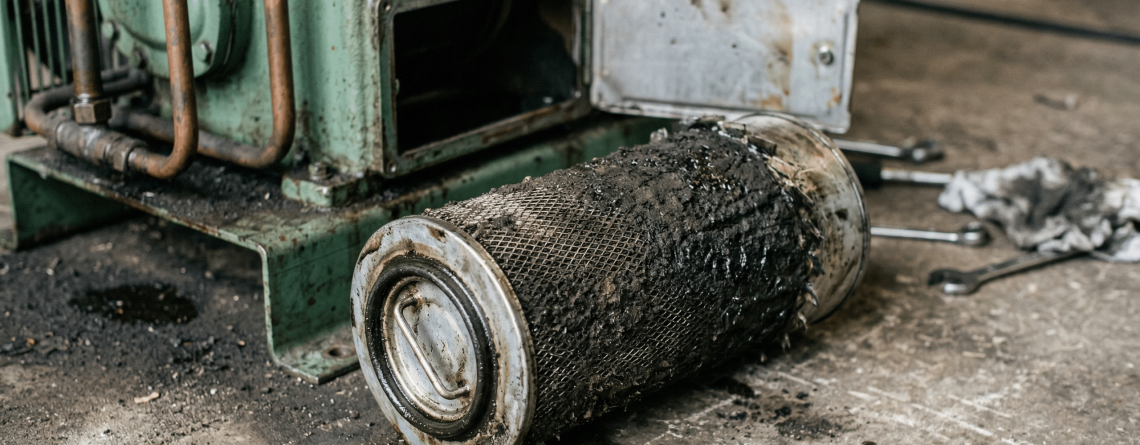
Dirty Filter

The Hidden Cost of Dirty Filters

How a Simple Filter Can Cost You Thousands in Energy Bills and Motor Wear

We have all seen it happen. You are walking through the plant, production is running smoothly, and you notice a "Service Due" notification on your air compressor. You think, "I’ll get to that next week. It’s just a filter."

That small decision can become an expensive mistake. An air compressor filter may seem like a minor component, but it plays a critical role in protecting your equipment, maintaining efficiency, and controlling operating costs.

At FiltrationNow, we see the impact of neglected filtration systems every day. Delaying a filter replacement does not save money—it can increase energy consumption, accelerate wear, and shorten the lifespan of expensive compressor components.

The Hidden Cost of a Dirty Compressor Filter

Air compressors operate by pulling in large volumes of surrounding air, compressing it, and delivering it throughout a facility. Because the compressor constantly processes large amounts of air, the intake filter is the first line of defense against dust, dirt, and airborne contaminants.

When an intake filter becomes clogged, the compressor must work harder to pull in the same amount of air. This restriction creates additional strain on the system, increases energy consumption, and reduces overall efficiency.

The Energy Cost of Pressure Drop

This restriction is commonly referred to as pressure drop. Even a small increase in restriction can force the compressor motor to consume more power to maintain the required operating pressure.

  • The Math: For every increase in pressure drop caused by a restricted filter, energy consumption can increase as the compressor works harder to maintain performance.
  • The Reality: In large industrial facilities operating compressors around the clock, small efficiency losses can add up to thousands of dollars in unnecessary electricity costs over time.

The Silent Killer of Compressor Motors

While higher energy costs are frustrating, the mechanical damage caused by restricted airflow can be even more expensive. Reduced airflow causes operating temperatures to rise, placing additional stress on the compressor motor, lubrication system, and internal components.

1. Excessive Heat

Heat is one of the biggest enemies of compressor performance. Elevated temperatures can cause compressor oil to break down prematurely, reducing lubrication effectiveness and increasing wear on bearings, rotors, and other critical components.

2. Motor Stress

When airflow is restricted, the compressor motor must work harder to maintain output. This increased workload can cause higher electrical current draw and additional heat buildup inside the motor windings.

Replacing a large compressor motor is not just a parts expense. It can involve electrical work, specialized equipment, labor costs, and extended production downtime.

3. Contaminant Carryover

A severely clogged or damaged filter can eventually fail, allowing unfiltered contaminants to enter the compressor system. For rotary screw compressors, even small amounts of abrasive debris can cause damage to precision-machined components inside the air end.

Why Regular Filter Replacement Matters

Replacing filters on a scheduled maintenance plan is one of the simplest ways to protect your compressed air system. Proper filtration helps maintain airflow, reduce energy waste, and prevent contamination from reaching sensitive components.

Expense ItemPreventive MaintenanceWait Until Failure
Part CostLow, predictable maintenance expenseHigher emergency replacement costs
Energy EfficiencyOptimized compressor performanceIncreased operating costs from restriction
Oil LifeMaintained through proper airflow and temperaturesReduced due to excessive heat
Major RepairsReduced risk of unexpected failuresPotential motor or air end repairs
DowntimeScheduled maintenanceEmergency production interruptions

Do Not Step Over a Dollar to Pick Up a Nickel

An air compressor is often the heart of an industrial operation. Just like changing the oil filter on a vehicle protects the engine, replacing compressor filters protects the equipment responsible for powering your production.

Routine maintenance keeps your total cost of ownership low by improving efficiency, protecting components, and preventing avoidable repairs. A simple filter replacement today can help keep your compressor operating reliably for years to come.

Conclusion: A Small Filter Protects a Major Investment

Air compressor filters may be small compared to the equipment they protect, but their impact on performance and reliability is significant. Ignoring a dirty filter can lead to increased energy costs, higher temperatures, motor stress, and expensive downtime.

A proactive maintenance schedule is one of the easiest ways to improve compressor efficiency and protect your investment.

Need Help Finding the Right Compressor Filter?

FiltrationNow offers a wide selection of industrial filtration solutions designed to help protect air compressors, pneumatic systems, and other critical equipment.

Contact FiltrationNow today to find the right replacement filter and keep your equipment running efficiently.

Read more...
Comparison of Filters

Understanding the Different Types of Filter Media

Cellulose vs. Synthetic Filter Media: Which One Is Right for Your Application?

Choosing the right filter media is similar to choosing the right tires for a vehicle. A standard option may work perfectly for everyday use, but demanding applications require materials engineered for higher performance, longer service life, and better protection.

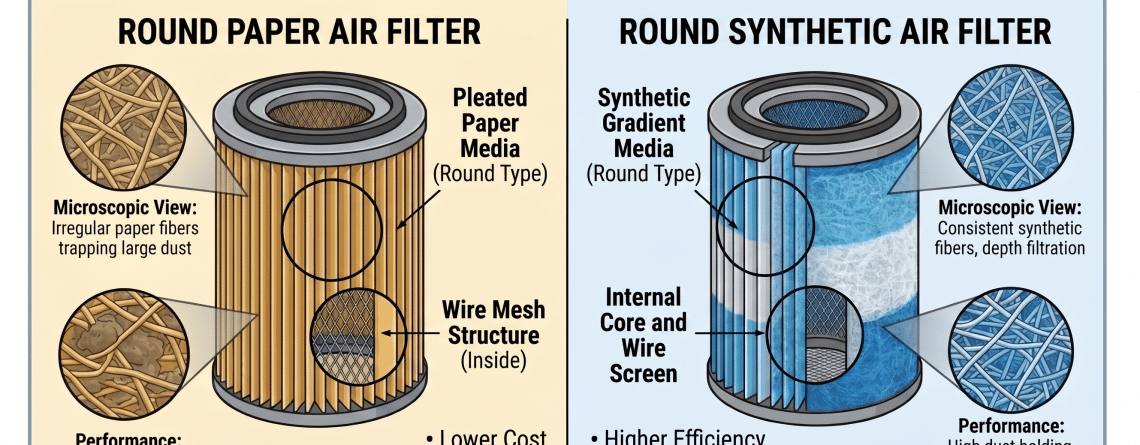
In industrial filtration, the choice often comes down to two common filter media types: cellulose (paper) and synthetic. Each has advantages depending on the application, operating environment, and level of filtration required.

At FiltrationNow.com, we understand that selecting the wrong filter media can result in shorter filter life, increased maintenance costs, reduced equipment performance, and unnecessary downtime. Understanding the differences between cellulose and synthetic media helps ensure your equipment receives the protection it needs.

The Importance of Filtration in Industrial Equipment

Filtration plays a critical role in protecting industrial equipment such as hydraulic systems, engines, air compressors, and pneumatic systems. Contaminants like dirt, dust, oil particles, moisture, and debris can accelerate wear and reduce the efficiency of expensive components.

For example, compressed air systems rely on multiple filtration stages to remove contaminants before air reaches sensitive equipment or production processes. Air compressor systems commonly use intake filters, oil filters, and compressed air line filters to maintain efficiency, protect internal components, and provide clean air.

Whether you are maintaining a rotary screw compressor, reciprocating compressor, hydraulic power unit, or industrial machine, choosing the correct filter media can have a major impact on equipment reliability.

1. Cellulose (Paper) Media: The Traditional Workhorse

Cellulose media is the traditional filter material used in many industrial and automotive applications. Made from natural wood pulp fibers, cellulose filters are treated with resins to help maintain strength and durability during operation.

Best For:

  • Standard industrial applications
  • Light-duty hydraulic systems
  • General maintenance applications
  • Cost-conscious filtration requirements

Advantages of Cellulose Media:

  • Cost Effective: Cellulose filters are affordable and widely available, making them a popular choice for standard applications.
  • Moisture Absorption: Cellulose fibers can absorb small amounts of water from oil, which may help reduce oxidation in certain systems.

Disadvantages of Cellulose Media:

  • Higher Restriction: Larger, irregular fibers create more resistance to fluid or air flow compared to synthetic materials.
  • Lower Dirt Capacity: Cellulose filters typically capture more contaminants near the surface, which can reduce service life in demanding environments.

2. Synthetic Media: The High-Performance Option

Synthetic filter media is manufactured using engineered fibers such as glass, polyester, or nylon. Unlike natural cellulose fibers, synthetic fibers are designed for consistent size and structure, allowing manufacturers to create highly efficient filtration solutions.

Best For:

  • High-performance equipment
  • Advanced hydraulic systems
  • Extreme temperature environments
  • Applications requiring precise contamination control

Advantages of Synthetic Media:

  • Higher Filtration Efficiency: Smaller, uniform fibers allow synthetic filters to capture smaller particles, often down to the micron level.
  • Improved Flow: The engineered fiber structure allows fluids and air to pass through with less restriction.
  • Longer Service Life: Synthetic filters often have greater dirt-holding capacity, meaning they can last longer before replacement is required.

Disadvantages of Synthetic Media:

  • Higher Initial Cost: Synthetic filters typically cost more upfront due to advanced materials and manufacturing processes.
  • Additional Construction Requirements: Some synthetic filters require additional support layers or wire backing for durability.

3. Blended Filter Media: A Balance Between Performance and Cost

Many modern filters use a blended media design that combines cellulose and synthetic fibers. This approach provides improved filtration performance compared to traditional paper filters while maintaining a lower cost than a fully synthetic option.

For many industrial applications, blended media provides an excellent balance between efficiency, durability, and affordability.

Cellulose vs. Synthetic Filter Media Comparison

FeatureCellulose (Paper)Synthetic Media
MaterialNatural Wood PulpGlass or Polymer Fibers
Fiber StructureLarge and IrregularSmall and Uniform
EfficiencyStandard FiltrationHigh Precision Filtration
Flow RateModerateExcellent Low Restriction Flow
LifespanStandard Service LifeLonger Service Life
CostLowerHigher

Which Filter Media Do You Need?

The correct filter media depends on your equipment, operating conditions, and maintenance goals.

  1. For standard applications: Cellulose filters are often the right choice when equipment operates under normal conditions with regular maintenance intervals.
  2. For demanding environments: Synthetic filters are recommended for high-value equipment, extreme temperatures, or applications where contamination control is critical.
  3. For balanced performance: Blended media filters provide a middle ground for users who want improved protection without the cost of a fully synthetic filter.

Conclusion: Choosing the Right Filter Media

Both cellulose and synthetic filter media have their place in industrial filtration. Cellulose filters provide reliable performance at an economical price, while synthetic filters offer improved efficiency, better flow characteristics, and longer service life in demanding applications.

The right choice depends on your equipment requirements, operating environment, and the level of protection your system needs. Proper filtration helps extend equipment life, improve efficiency, and reduce unexpected downtime.

Need Help Selecting the Right Filter?

Choosing the correct filter media can be challenging with so many options available. The team at FiltrationNow can help you identify the right filtration solution for your air compressors, hydraulic equipment, pneumatic systems, and industrial applications.

Contact FiltrationNow today for assistance finding the right filter for your equipment and application.

Read more...
Filter Example

The Ultimate Guide to Cross-Referencing Industrial Filters​

Industrial Filters: How to Properly Cross-Reference Replacement Filters

In a perfect world, every replacement filter would be sitting on a shelf with the exact part number listed in your machine’s manual. However, real-world industrial maintenance is rarely that simple. Lead times, discontinued parts, supply chain issues, and changing OEM pricing can make finding the right filter more challenging.

Fortunately, cross-referencing makes it possible to identify compatible replacement filters from different manufacturers while keeping equipment operating reliably. A proper cross-reference is not just about finding a filter that physically fits—it is about matching the specifications required for your application.

Whether you are maintaining an air compressor, hydraulic system, vacuum pump, or industrial filtration system, choosing the correct replacement filter is critical for protecting equipment performance and preventing unnecessary downtime.

The Anatomy of a Proper Filter Match

A true filter cross-reference requires more than finding a filter that screws onto the same mounting point. Several key specifications must match to ensure proper performance.

1. Micron Rating

The micron rating determines the size of particles a filter is designed to capture. If an OEM filter is rated at 10 microns and a replacement filter is rated at 25 microns, larger contaminants may pass through and cause damage to sensitive components.

For equipment such as hydraulic systems, air compressors, and lubrication systems, maintaining the correct filtration level is essential for preventing wear on valves, bearings, cylinders, and other internal parts.

2. Beta Ratio and Filtration Efficiency

Two filters can have the same micron rating but perform very differently. The Beta Ratio measures how efficiently a filter captures particles of a specific size.

A high-quality replacement filter should provide comparable efficiency to the original filter. Saving money on a lower-efficiency filter can result in increased contamination and reduced equipment life.

3. Flow Rate (GPM or CFM)

A filter must allow the required amount of fluid or air to pass through without creating excessive restriction. A filter with insufficient flow capacity can create pressure drop, reduce system performance, increase operating temperatures, and trigger safety mechanisms.

This is especially important in compressed air systems where restricted airflow can increase energy consumption and reduce compressor efficiency.

4. Bypass Valve Settings

Many filters include an internal bypass valve that opens when the filter becomes heavily restricted. The bypass pressure setting must match the original equipment requirements.

Installing a filter with the wrong bypass setting can allow contamination through the system or create excessive pressure on the filter element.

How to Use a Filter Cross-Reference Database

Most major filter manufacturers provide cross-reference databases to help identify compatible replacements. To use these tools effectively, follow a consistent process:

  1. Identify the Original Part Number: Locate the part number printed on the filter housing, label, or filter element itself.
  2. Clean the Filter Surface: Oil, dirt, and wear can make numbers difficult to read. Avoid guessing—small differences in part numbers can completely change the filter specification.
  3. Verify Multiple Sources: A match from one database may only be a partial match. Always compare dimensions and performance specifications before installation.

Physical Verification: The Three-Point Check

Even when a database shows a replacement match, a physical inspection should always be performed before installing the filter.

Checkpoint What to Check
Gasket Confirm the seal matches the mounting surface correctly. A misaligned gasket can create leaks or allow contamination around the filter.
Threads Verify the threads match and the filter installs smoothly by hand. Never force a filter onto a housing.
Length and Clearance Ensure the replacement filter fits properly and has enough clearance from guards, panels, and surrounding components.

When Cross-Referencing Can Go Wrong

Not every filter application is suitable for a simple cross-reference. Some filtration systems require highly specialized performance characteristics that may not be achieved with a generic replacement.

For example, coalescing filters used in compressed air systems, paint booths, and food-grade applications are designed to remove extremely small oil aerosols and contaminants. A filter may physically fit the housing while failing to provide the required level of air purity.

For critical applications where air quality, product quality, or regulatory compliance is required, always verify that the replacement filter meets the original specifications.

Creating a Filter Cross-Reference Log

The best way to simplify future maintenance is to document approved filter replacements. Creating a master filter spreadsheet for your facility prevents repeated research and helps maintenance teams quickly identify the correct replacement.

Example:

Machine: Rotary Screw Compressor #1

  • OEM Part Number: ABC-1234
  • Approved Replacement: Donaldson P550xxx
  • Approved Replacement: Baldwin B7xxx
  • Last Verified: October 2025

The Bottom Line: Match Specifications, Not Just Threads

Cross-referencing industrial filters is not only about saving money. It is about improving reliability, reducing downtime, and protecting valuable equipment from supply chain delays.

A proper replacement filter should match the critical specifications of the original—not just the physical connection. By verifying micron rating, efficiency, flow requirements, and installation details, you can confidently select a replacement filter that keeps your equipment running.

Need Help Finding the Right Replacement Filter?

FiltrationNow can help you identify compatible replacement filters for air compressors, hydraulic systems, vacuum equipment, and other industrial applications.

Contact FiltrationNow today for help cross-referencing your filter and finding the right solution for your equipment.

Filter example
Read more...