Industry Tips & Resources

Best practices, energy savings, contamination control, filtration education.

How to Read Your Pressure Gauge to Predict Filter Replacement

How to Read a Filter Pressure Gauge: Know Exactly When It's Time to Replace Your Filter

A pressure gauge is one of the most valuable tools on any filtration system, yet it is often overlooked until a problem develops. Many people wait until water pressure drops noticeably or equipment performance declines before replacing a filter. By that point, the filter has already been restricting flow and placing unnecessary strain on the system.

Learning how to read your pressure gauge allows you to monitor filter condition, schedule maintenance proactively, and replace filters before they begin affecting performance. Whether you're maintaining a residential water filter, an industrial filtration system, or a compressed air system, understanding pressure changes can help reduce maintenance costs and extend equipment life.

At FiltrationNow, we recommend making pressure gauge inspections part of your regular maintenance routine. It only takes a few seconds and can prevent expensive repairs later.

Why Pressure Gauges Matter

Pressure gauges measure how much resistance exists within a filtration system. As a filter captures dirt, sediment, rust, dust, or other contaminants, airflow or water flow becomes more restricted. This causes pressure readings to change over time.

Pressure monitoring is used throughout the filtration industry, including water filtration systems, hydraulic equipment, air compressors, compressed air filters, and industrial process filtration. Watching for changes in pressure is one of the easiest ways to determine when a filter is approaching the end of its service life.

Step 1: Establish Your Baseline Pressure

Every new filter should begin with a clean pressure reading. Once a new filter has been installed and the system is operating normally, record the pressure shown on the gauge.

This becomes your baseline pressure and serves as the reference point for future inspections.

A simple tip is to write the pressure directly on the filter housing or on a maintenance log so it is easy to compare during future inspections.

Step 2: Watch for Pressure Changes

As contaminants accumulate inside the filter media, resistance gradually increases. The exact pressure change depends on the type of filtration system and where the pressure gauge is installed.

  • Inlet pressure gauges often show increasing pressure as the filter becomes restricted.
  • Outlet pressure gauges typically show decreasing pressure as flow is reduced.
  • Residential systems may simply experience lower water pressure at faucets as filters become clogged.

Small pressure changes are completely normal. The goal is to identify when the increase indicates the filter has reached the end of its useful life.

Step 3: Know When It's Time to Replace the Filter

Most filtration systems provide plenty of warning before a filter becomes completely clogged. Monitoring the pressure gauge allows you to replace filters before performance suffers.

Pressure ChangeSystem StatusRecommended Action
Baseline ReadingNormal OperationNo action required
5-8 PSI ChangeNormal Filter LoadingContinue monitoring
10-15 PSI ChangeFilter Becoming RestrictedPlan for replacement
20+ PSI ChangeSeverely Restricted FilterReplace immediately

Why You Shouldn't Wait Too Long

Ignoring a clogged filter can affect far more than water flow. Increased restriction places additional stress on pumps, motors, and other equipment throughout the system.

  • Higher Equipment Stress: Pumps and motors must work harder to overcome increased resistance.
  • Reduced System Efficiency: Restricted filters reduce flow and can increase energy consumption.
  • Potential Contaminant Breakthrough: Extremely overloaded filters may no longer provide the level of filtration your system requires.
  • Increased Risk of Biological Growth: Filters left in service well beyond their recommended lifespan may become susceptible to biofilm or bacterial growth in certain applications.

Simple Pressure Gauge Maintenance Tips

  • Check your pressure gauge every week.
  • Record your clean baseline pressure after every filter replacement.
  • Monitor for pressure changes instead of waiting for poor system performance.
  • Keep replacement filters in stock to avoid unexpected downtime.

Conclusion: Let Your Pressure Gauge Tell You When It's Time

Your pressure gauge provides valuable information about the health of your filtration system. Rather than waiting for poor water quality, reduced airflow, or equipment problems, use pressure readings to schedule filter replacements before they become an issue.

A few seconds spent checking your gauge each week can improve equipment reliability, maintain system efficiency, and help prevent costly repairs.

Need Help Finding the Right Replacement Filter?

FiltrationNow offers replacement filters and filtration products for residential, commercial, and industrial applications. Whether you're maintaining a water filtration system, compressed air system, hydraulic equipment, or industrial machinery, we're here to help.
Contact FiltrationNow today for expert assistance selecting the right replacement filters and keeping your system operating at peak performance.

Read more...
Dirty Filter

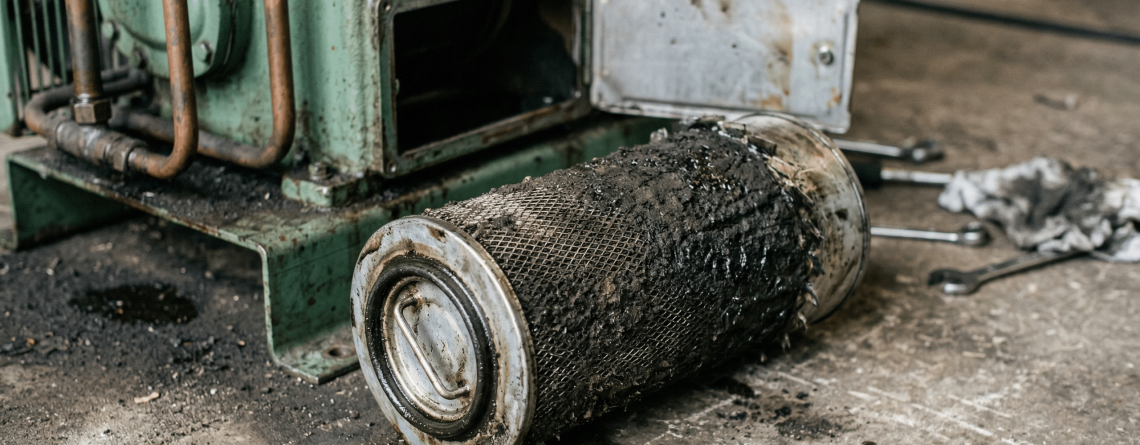
The Hidden Cost of Dirty Filters

How a Simple Filter Can Cost You Thousands in Energy Bills and Motor Wear

We have all seen it happen. You are walking through the plant, production is running smoothly, and you notice a "Service Due" notification on your air compressor. You think, "I’ll get to that next week. It’s just a filter."

That small decision can become an expensive mistake. An air compressor filter may seem like a minor component, but it plays a critical role in protecting your equipment, maintaining efficiency, and controlling operating costs.

At FiltrationNow, we see the impact of neglected filtration systems every day. Delaying a filter replacement does not save money—it can increase energy consumption, accelerate wear, and shorten the lifespan of expensive compressor components.

The Hidden Cost of a Dirty Compressor Filter

Air compressors operate by pulling in large volumes of surrounding air, compressing it, and delivering it throughout a facility. Because the compressor constantly processes large amounts of air, the intake filter is the first line of defense against dust, dirt, and airborne contaminants.

When an intake filter becomes clogged, the compressor must work harder to pull in the same amount of air. This restriction creates additional strain on the system, increases energy consumption, and reduces overall efficiency.

The Energy Cost of Pressure Drop

This restriction is commonly referred to as pressure drop. Even a small increase in restriction can force the compressor motor to consume more power to maintain the required operating pressure.

  • The Math: For every increase in pressure drop caused by a restricted filter, energy consumption can increase as the compressor works harder to maintain performance.
  • The Reality: In large industrial facilities operating compressors around the clock, small efficiency losses can add up to thousands of dollars in unnecessary electricity costs over time.

The Silent Killer of Compressor Motors

While higher energy costs are frustrating, the mechanical damage caused by restricted airflow can be even more expensive. Reduced airflow causes operating temperatures to rise, placing additional stress on the compressor motor, lubrication system, and internal components.

1. Excessive Heat

Heat is one of the biggest enemies of compressor performance. Elevated temperatures can cause compressor oil to break down prematurely, reducing lubrication effectiveness and increasing wear on bearings, rotors, and other critical components.

2. Motor Stress

When airflow is restricted, the compressor motor must work harder to maintain output. This increased workload can cause higher electrical current draw and additional heat buildup inside the motor windings.

Replacing a large compressor motor is not just a parts expense. It can involve electrical work, specialized equipment, labor costs, and extended production downtime.

3. Contaminant Carryover

A severely clogged or damaged filter can eventually fail, allowing unfiltered contaminants to enter the compressor system. For rotary screw compressors, even small amounts of abrasive debris can cause damage to precision-machined components inside the air end.

Why Regular Filter Replacement Matters

Replacing filters on a scheduled maintenance plan is one of the simplest ways to protect your compressed air system. Proper filtration helps maintain airflow, reduce energy waste, and prevent contamination from reaching sensitive components.

Expense ItemPreventive MaintenanceWait Until Failure
Part CostLow, predictable maintenance expenseHigher emergency replacement costs
Energy EfficiencyOptimized compressor performanceIncreased operating costs from restriction
Oil LifeMaintained through proper airflow and temperaturesReduced due to excessive heat
Major RepairsReduced risk of unexpected failuresPotential motor or air end repairs
DowntimeScheduled maintenanceEmergency production interruptions

Do Not Step Over a Dollar to Pick Up a Nickel

An air compressor is often the heart of an industrial operation. Just like changing the oil filter on a vehicle protects the engine, replacing compressor filters protects the equipment responsible for powering your production.

Routine maintenance keeps your total cost of ownership low by improving efficiency, protecting components, and preventing avoidable repairs. A simple filter replacement today can help keep your compressor operating reliably for years to come.

Conclusion: A Small Filter Protects a Major Investment

Air compressor filters may be small compared to the equipment they protect, but their impact on performance and reliability is significant. Ignoring a dirty filter can lead to increased energy costs, higher temperatures, motor stress, and expensive downtime.

A proactive maintenance schedule is one of the easiest ways to improve compressor efficiency and protect your investment.

Need Help Finding the Right Compressor Filter?

FiltrationNow offers a wide selection of industrial filtration solutions designed to help protect air compressors, pneumatic systems, and other critical equipment.

Contact FiltrationNow today to find the right replacement filter and keep your equipment running efficiently.

Read more...