
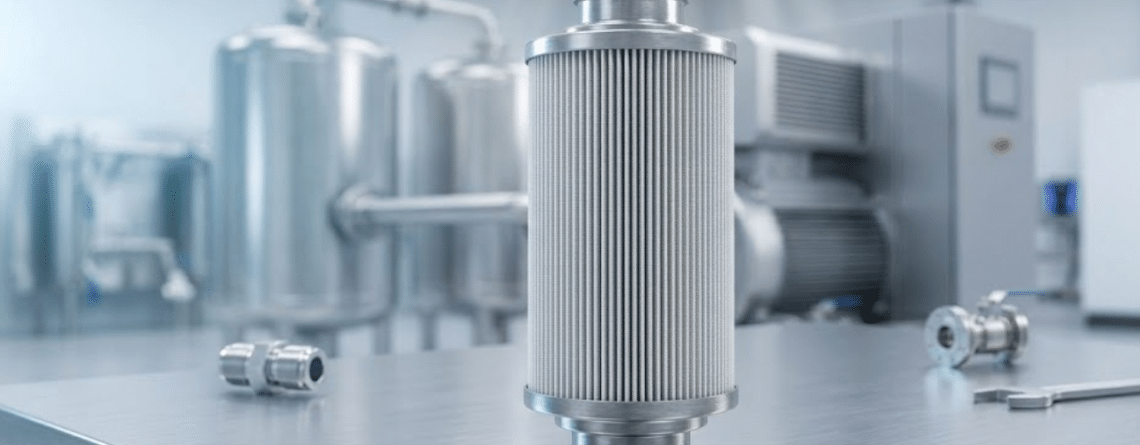
Guide to Compressed Air Filtration: OEM vs. Aftermarket
The Ultimate Guide to OEM vs. Aftermarket Filtration: Choosing the Right Replacement Filter
Understanding Filter Options, Cross-References, and Maintenance Savings
Industrial filtration systems play a critical role in protecting equipment, improving process reliability, and maintaining product quality across countless industries. From compressed air and hydraulic systems to lubrication circuits and process applications, filters help remove contaminants that can damage components, reduce efficiency, and increase operating costs.
Like any maintenance component, filters eventually require replacement. When it is time to service a filtration system, maintenance teams often face an important decision:
Should you purchase Original Equipment Manufacturer (OEM) filters, or choose a high-quality aftermarket alternative?
The answer depends on several factors including application requirements, equipment specifications, operating environment, and maintenance goals.
In this guide, we will explain the differences between OEM and aftermarket filtration products, how to properly compare replacement filters, and how choosing the right filter supplier can help reduce costs while maintaining reliable performance.
1. Why Industrial Filtration Matters
Industrial equipment operates in demanding environments where contaminants are constantly introduced into operating systems. Dust, dirt, moisture, oil particles, and other debris can quickly impact performance if they are not properly removed.
A properly designed filtration system helps protect critical components by capturing contaminants before they create damage.
Common industrial filtration applications include:
- Compressed Air Filtration: Removes moisture, oil aerosols, and particulate contamination from compressed air systems.
- Hydraulic Filtration: Protects pumps, valves, and actuators by removing harmful particles from hydraulic fluids.
- Lubrication Filtration: Maintains oil cleanliness to reduce wear and extend equipment life.
- Process Filtration: Supports manufacturing processes where fluid purity and contamination control are critical.
- Water and Liquid Filtration: Removes suspended solids and contaminants from industrial water systems.
The Importance of Preventative Filter Maintenance
Filters are designed to capture contaminants, but over time the filter media becomes loaded with debris. A clogged or saturated filter can restrict flow, increase pressure drop, and force equipment to work harder.
Delayed filter replacement can lead to:
- Increased energy consumption
- Reduced equipment efficiency
- Higher operating temperatures
- Premature component wear
- Unexpected equipment downtime
Routine filter replacement is one of the simplest ways to maintain system performance and prevent costly repairs.
2. Understanding OEM vs. Aftermarket Filters
What Is an OEM Filter?
OEM stands for Original Equipment Manufacturer. An OEM filter is manufactured by the original equipment manufacturer or produced specifically for that manufacturer’s equipment.
OEM filters typically include:
- Manufacturer branding and packaging
- Specifications approved by the equipment manufacturer
- Original design dimensions and fitment requirements
- Documentation supporting equipment compatibility
Advantages of OEM Filters
- Guaranteed Fitment: Designed specifically for the original equipment application.
- Manufacturer Documentation: Useful for applications requiring OEM records or compliance documentation.
- Consistent Specifications: Built according to original equipment requirements.
Potential Limitations of OEM Filters
- Higher purchase cost
- Limited availability for older equipment models
- Longer lead times due to manufacturer supply chains
What Is an Aftermarket Filter?
Aftermarket filters are replacement components manufactured by independent filtration companies. These filters are engineered to match the original filter’s dimensions, application requirements, and performance characteristics.
A properly manufactured aftermarket filter can provide an effective alternative to OEM products while helping reduce maintenance expenses.
Advantages of Aftermarket Filters
- Cost Savings: Often available at a lower price compared to OEM equivalents.
- Improved Availability: Multiple manufacturers may produce replacement options.
- Extended Equipment Support: Helps maintain older equipment when OEM parts become difficult to source.
Potential Limitations of Aftermarket Filters
- Quality varies between suppliers
- Incorrectly matched filters may cause fitment or performance issues
- Requires purchasing from a reliable filtration provider
3. How to Compare OEM and Aftermarket Filter Replacements
When comparing filtration products, the most important factor is not simply the brand name on the label. The replacement filter must meet the requirements of the application, including proper dimensions, filtration efficiency, flow capacity, and operating conditions.
A quality replacement filter should be evaluated based on several key factors:
- Part Number Compatibility: Verify the replacement filter matches the original manufacturer part number or approved cross-reference.
- Physical Dimensions: Filter length, diameter, mounting style, and sealing surfaces must match the equipment requirements.
- Filter Media: The filtration material impacts contaminant removal efficiency, service life, and pressure drop.
- Micron Rating: The filter must provide the appropriate level of particle removal for the application.
- Operating Conditions: Temperature, pressure, fluid type, and environment should all be considered when selecting a replacement.
Understanding Filter Cross-References
Cross-referencing is the process of identifying compatible replacement filters from different manufacturers. This allows maintenance teams to compare available options and select the best solution based on cost, availability, and performance requirements.
A proper cross-reference should confirm:
- Exact replacement fitment
- Equivalent filtration performance
- Compatible materials and construction
- Application suitability
Simply matching a filter by appearance is not enough. Two filters may look identical externally while using different media, construction methods, or performance specifications internally.
4. Filter Media: The Difference Behind Filtration Performance
The filter media is one of the most important components of any filtration element. It determines what contaminants are captured, how efficiently they are removed, and how long the filter can operate before replacement is required.
Common Industrial Filter Media Types
- Cellulose Media: A cost-effective filtration material commonly used in general-purpose applications.
- Synthetic Media: Provides improved durability, higher contaminant holding capacity, and better performance in demanding environments.
- Microglass Media: Often used in high-performance hydraulic and lubrication applications where fine particle removal is required.
- Activated Carbon: Used for applications requiring adsorption of oil vapors, odors, and certain gases.
The right filter media depends on the application. A lower-cost filter may appear attractive initially, but reduced service life or increased pressure drop can create higher operating costs over time.
5. The Operational Benefits of Choosing the Right Replacement Filter
Reducing Maintenance Costs
Filter replacement is a routine maintenance expense, but selecting the right filtration solution can significantly impact long-term operating costs.
A properly matched replacement filter can help:
- Reduce unnecessary replacement frequency
- Maintain consistent system performance
- Protect expensive equipment components
- Minimize unexpected downtime
Supporting Aging Equipment
Many industrial machines remain in service for decades. However, original manufacturers may discontinue support or reduce availability for older equipment models.
Aftermarket filtration suppliers help extend the service life of legacy equipment by providing replacement filters and components for machines that are no longer actively supported by the original manufacturer.
Improving Filter Availability
Equipment downtime can quickly become expensive. Waiting weeks for a specific OEM filter can delay maintenance schedules and impact production.
A reliable aftermarket filtration supplier can provide additional sourcing options, helping businesses maintain inventory levels and reduce delays.
6. OEM vs. Aftermarket: Which Filter Should You Choose?
There is no single answer for every application. The best choice depends on your equipment requirements, maintenance strategy, and operational priorities.
Choose OEM Filters When:
- Your equipment requires manufacturer-approved components.
- Documentation and compliance requirements are important.
- You prefer purchasing directly through the original equipment manufacturer.
Choose Aftermarket Filters When:
- You want to reduce maintenance expenses.
- You need faster availability or additional sourcing options.
- You are maintaining older equipment with limited OEM support.
- You need a reliable replacement that meets the original specifications.
The key to aftermarket filtration success is choosing a supplier that understands filtration requirements and provides properly engineered replacement elements.
7. Why Proper Filter Selection Matters
A filter is more than a replaceable component—it is a critical part of your equipment protection strategy. The wrong filter can increase operating costs, reduce efficiency, and expose equipment to unnecessary wear.
Whether selecting OEM or aftermarket filtration, always verify:
- Correct part number or cross-reference
- Application compatibility
- Required filtration rating
- Quality of manufacturing
- Supplier reliability
At Filtration Now, we help businesses identify the right filtration solutions for their equipment and applications. Our goal is to make sourcing replacement filters simple, accurate, and cost-effective.
8. Need Help Finding the Right Replacement Filter?
Finding the correct filter replacement does not have to be complicated. Whether you are looking for an OEM equivalent, aftermarket alternative, or help cross-referencing a part number, Filtration Now can help you find the right solution.
- Filter Cross-References: Find compatible replacement elements for your equipment.
- Industrial Filtration Solutions: Explore filters designed for compressed air, hydraulic, lubrication, and process applications.
- Assistance: Get help identifying the correct filter for your system.
Contact Filtration Now today to keep your equipment protected and your operations running efficiently.
